Failing Timber Retaining Wall Rebuilt With Boulders and Proper Drainage
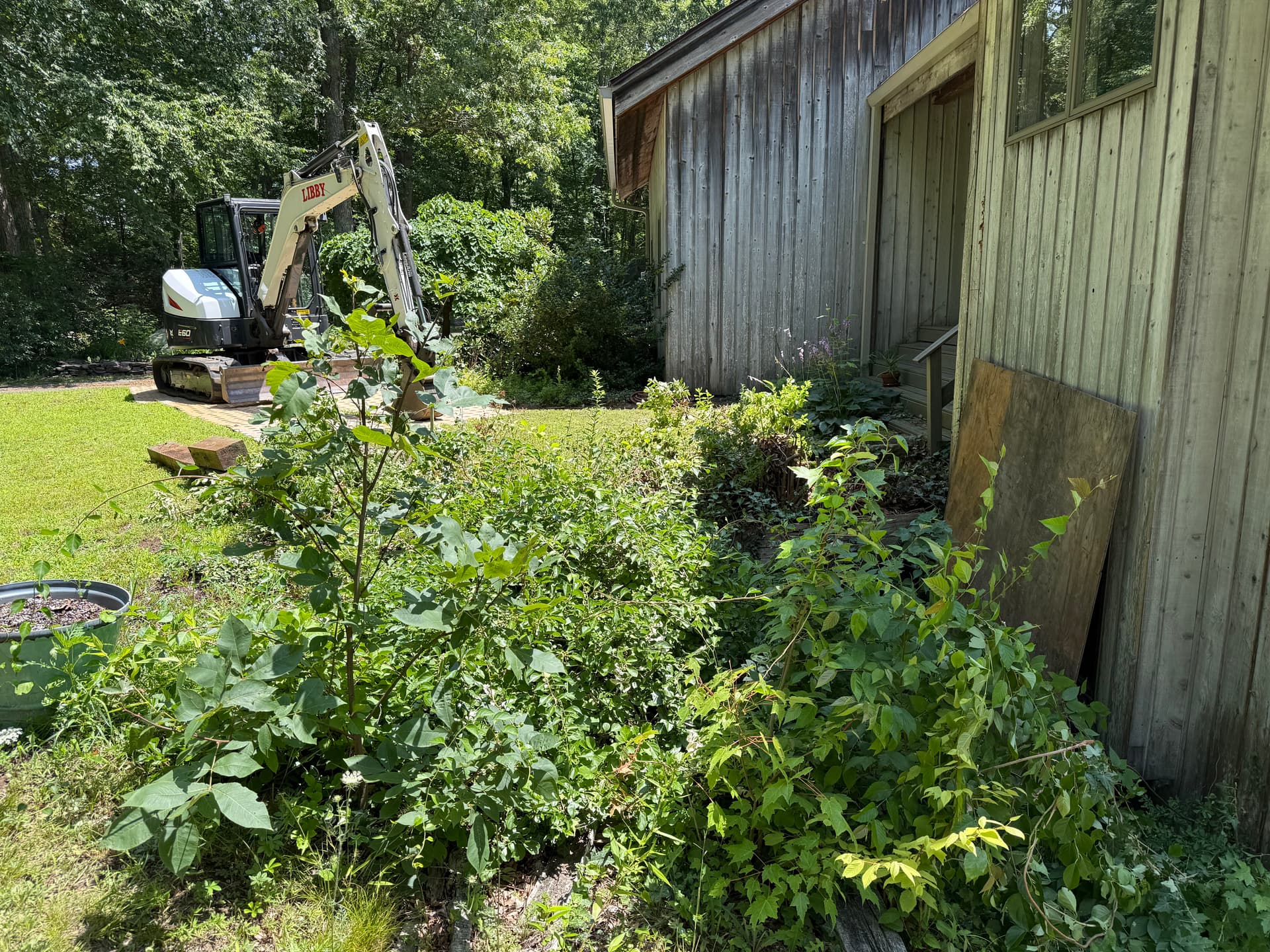
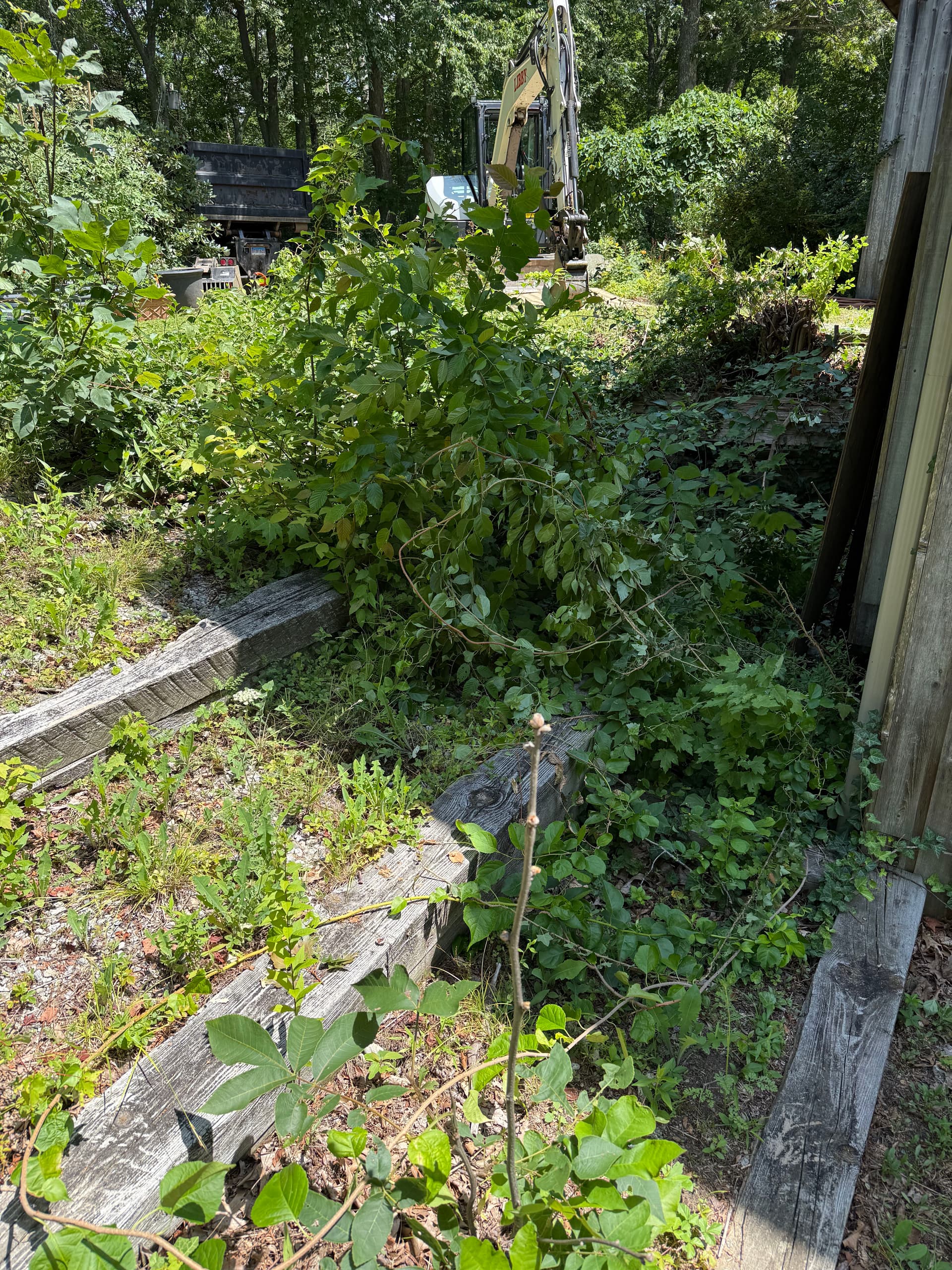
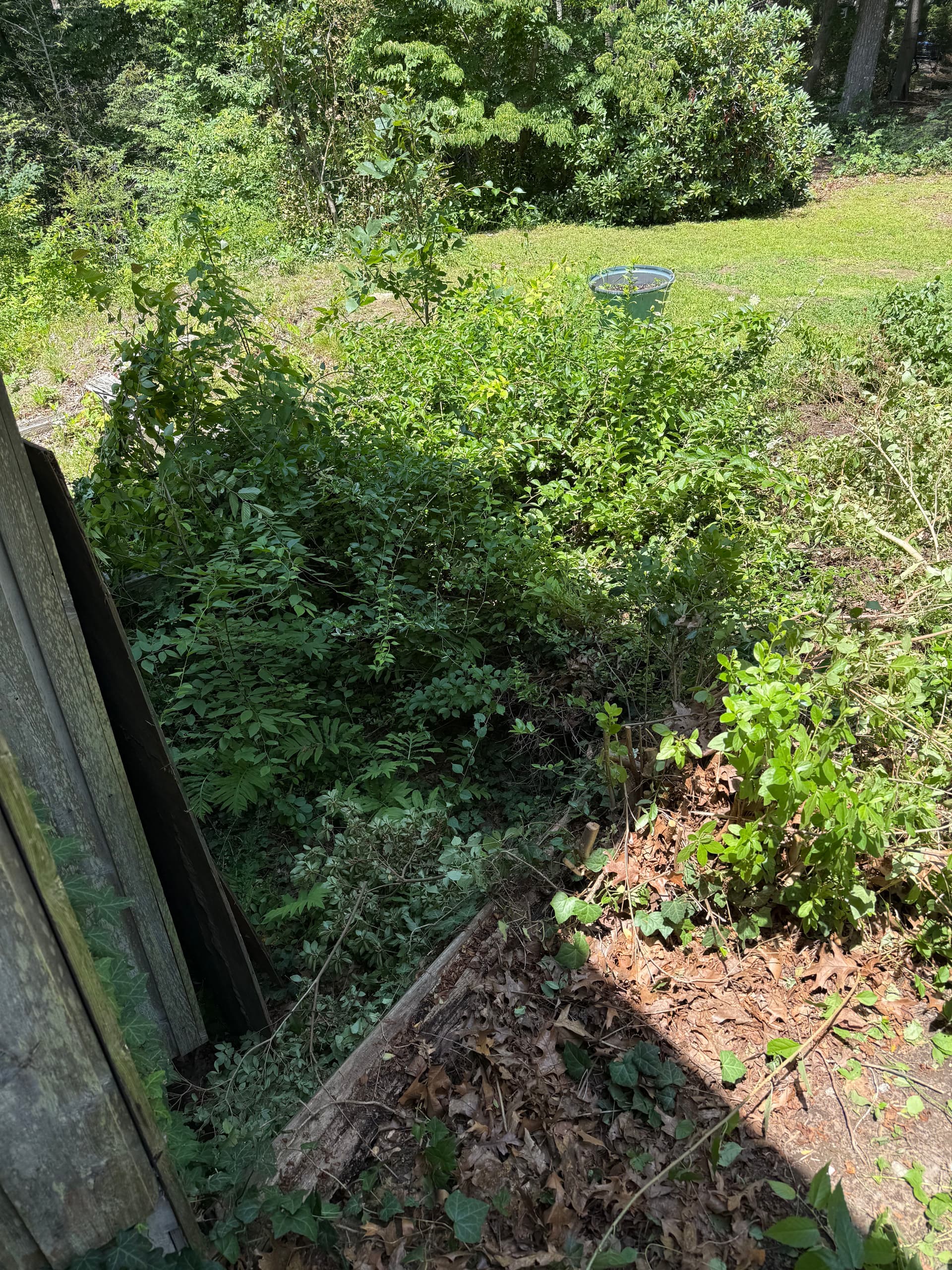
Timber retaining walls have a lifespan. When that time is up, the soil starts shifting, water pools where it shouldn't, and the ground near your foundation starts to move. That's exactly what we were dealing with here - rotting timber walls that had completely lost their ability to hold anything back.
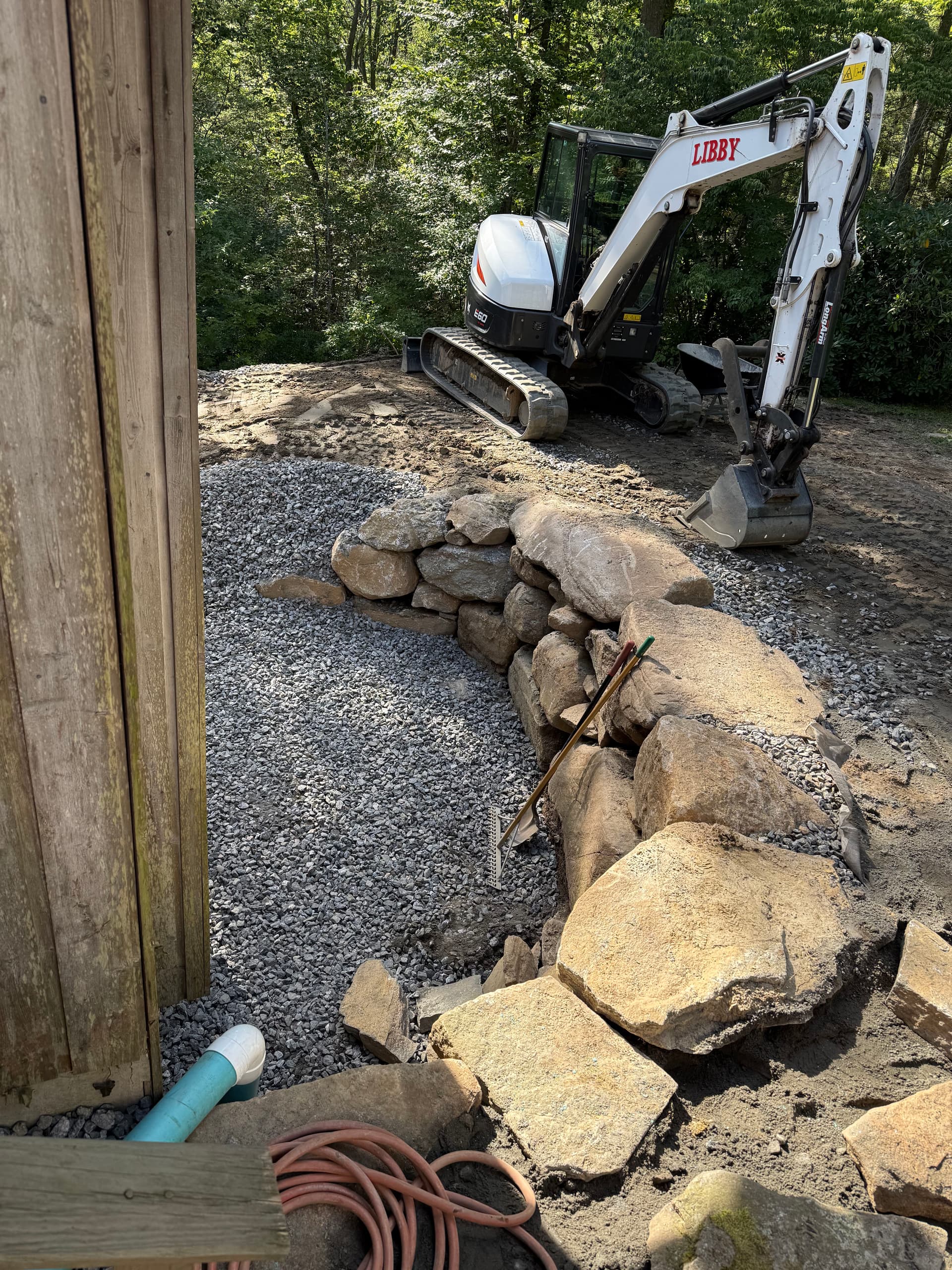
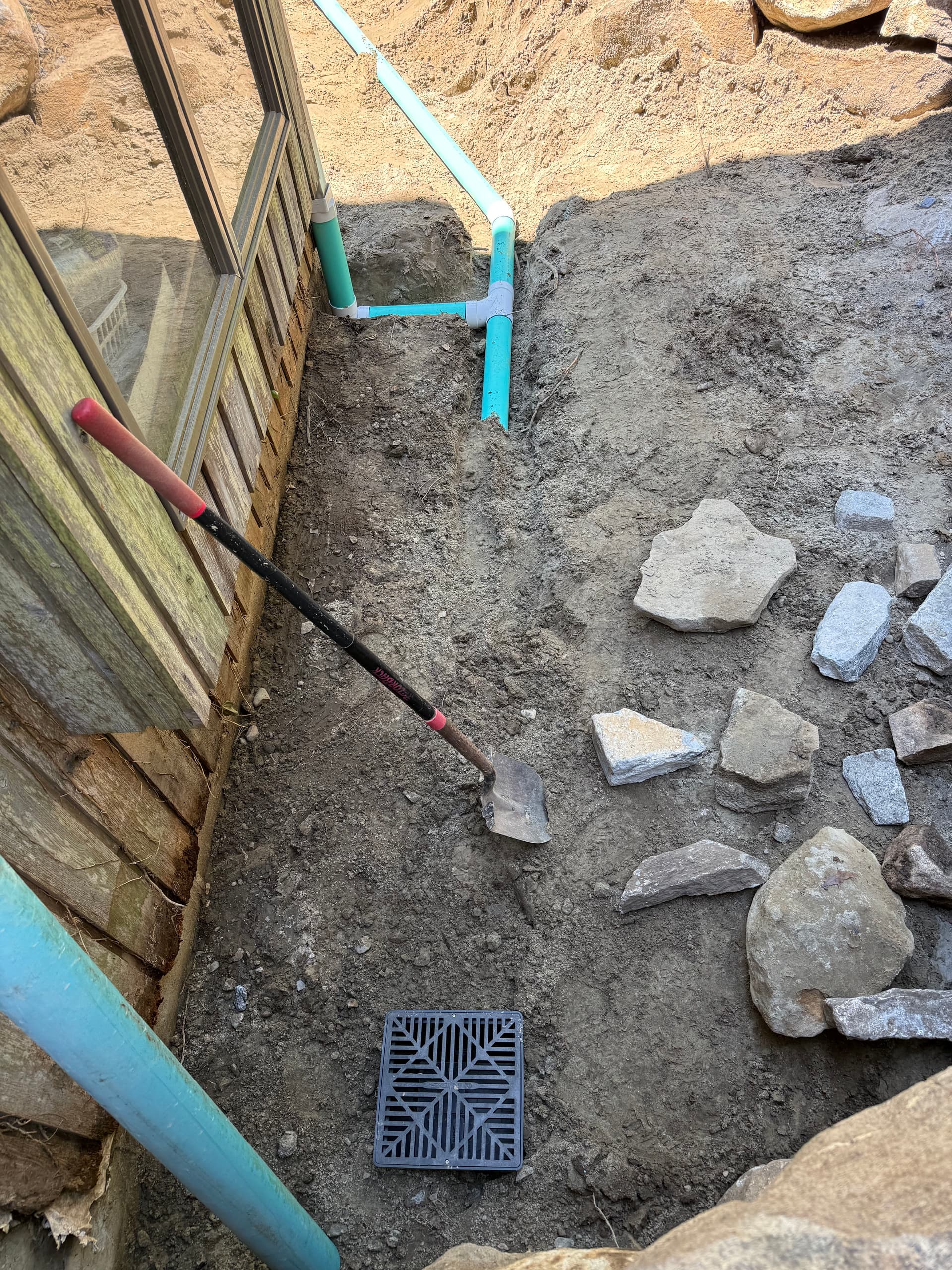
We pulled everything out and started from scratch. The old timbers were gone, the overgrown vegetation was cleared, and we got the excavator in to reshape the area properly. Before anything structural went in, we addressed the drainage. You can see the pipe network we ran - a catch basin and drain lines positioned to pull water away from the building before it ever becomes a problem. That's the step most people skip, and it's the reason walls fail in the first place.
Once the drainage was handled, we set the boulder wall. Natural stone boulders are a serious upgrade from timber - they don't rot, they don't shift the same way, and they handle the pressure of retained soil far better over time. We also added support at the front steps and reset the stone walkway while we were in there, so everything ties together cleanly.
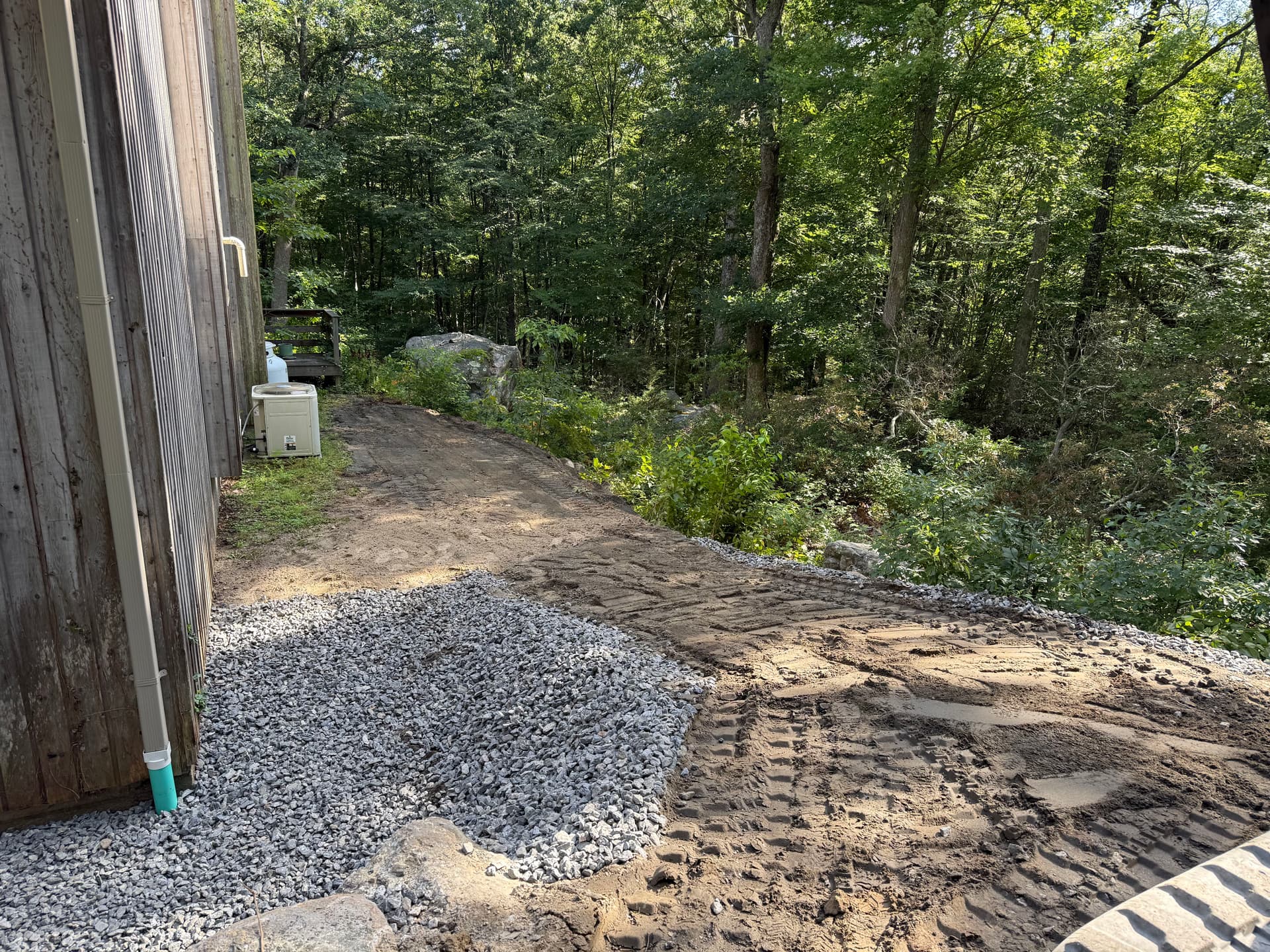
The final step was grading the exposed soil, spreading topsoil, and seeding the disturbed areas so the ground can stabilize and green back up. The gravel placement around the foundation helps with surface drainage too - keeping water moving away from the structure instead of sitting against it.
If your yard is starting to shift, wash out after rain, or you've got an old timber wall that's clearly on its way out, that's not something to sit on. The longer water is allowed to move soil around near a structure, the more expensive the fix gets.